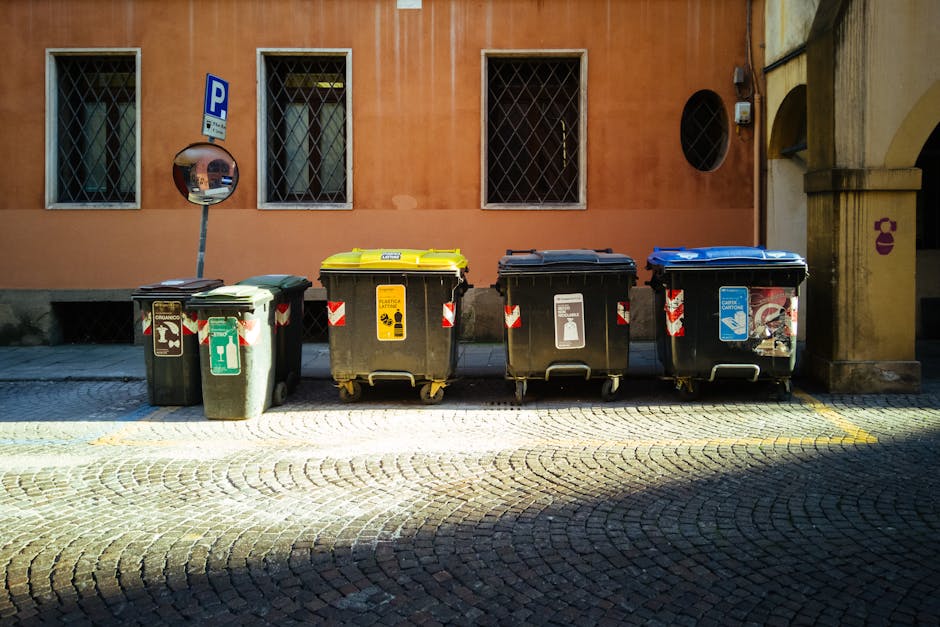
Hackney Council rules for waste disposal after cleaning: a practical guide for homes and businesses
If you have just finished a deep clean, end of tenancy tidy-up, or a big one-off clear-out, the last thing you want is a pile of dirty cloths, packaging, wastewater, or broken items creating a second problem. The rules around waste disposal after cleaning in Hackney can feel a bit fiddly at first, especially if you are dealing with mixed waste, bulky rubbish, or anything that might count as contaminated. This guide explains the Hackney Council rules for waste disposal after cleaning in plain English, so you can sort waste properly, avoid common mistakes, and keep the job neat from start to finish.
We will cover what usually counts as after-cleaning waste, how to separate it, when recycling applies, what to do with bulky or specialist items, and the sensible best practice most people miss. You will also find a checklist, a comparison table, and a few real-world examples from everyday cleaning situations. Truth be told, the last 10% of a cleaning job often decides whether the result feels truly finished.
Why Hackney Council rules for waste disposal after cleaning matters
Cleaning creates more than just a shine. It also creates waste streams. There may be used paper towels, mop heads, vacuum bags, food residue, empty spray bottles, dust, old bedding, packaging, or items removed during a deep clean. If you do not deal with that waste properly, it can cause odour, mess, pest issues, or an awkward knock-on problem with neighbours, landlords, or building managers.
Hackney, like any London borough, expects residents and businesses to manage rubbish responsibly. That usually means using the right bin for the right material, keeping recyclable items clean enough to be accepted, and not leaving waste on the pavement or in communal spaces. It sounds basic, but in shared stairwells and busy streets, basic is often where problems begin.
There is also a practical side. If waste is sorted well after a clean, you save time on the next round. You reduce extra bin bags, lower contamination, and make it easier to move through a property without that slightly grim feeling of dragging one bag around three times because it has become the catch-all for everything. We have all seen that bag. Nobody wants to be that bag.
For cleaning jobs that involve a lot of debris, it helps to think ahead about disposal before the final wipe-down begins. That is especially true for larger services such as deep cleaning, end of tenancy cleaning, or after builders cleaning, where dust, packaging, and removal waste can build up quickly.
How Hackney Council rules for waste disposal after cleaning works
The key idea is simple: sort waste according to what it is, not how annoying it looks. A greasy takeaway box is not the same as plain cardboard. A bottle that still has leftover chemical cleaner in it may need different handling from an empty, rinsed bottle. And a wet cloth full of cleaning residue is not the same as dry paper waste.
In everyday terms, the process usually falls into four categories:
- General waste for items that cannot be recycled or safely reused.
- Recycling for clean paper, cardboard, certain plastics, glass, and metal where accepted.
- Bulky waste for larger items that will not fit in ordinary household bins.
- Special or cautious disposal for anything contaminated, sharp, chemical-heavy, or potentially hazardous.
For most after-cleaning jobs, the biggest issue is contamination. A recycling bin full of half-dry cloths, food scraps, and cleaning wipes is usually not a good mix. Recyclables need to be clean enough for the system to process them. If they are not, they can be rejected or treated as general waste. That is one of those boring facts that matters more than it sounds.
It also helps to keep waste streams separate while cleaning is underway. For example, if you are doing a full house clean, use one bag for dry recyclable packaging, one for general rubbish, and a separate container for any sharp items or chemical containers that need extra care. This is especially useful in domestic cleaning and office cleaning, where there is often a mixture of paper, wipes, and disposable materials from multiple rooms.
If a job leaves you with a substantial volume of unwanted furniture, old fixtures, or accumulated clutter, a broader service such as house clearance may be the cleaner way to handle removal than trying to treat it as ordinary cleaning waste.
Key benefits and practical advantages
Following the right waste disposal approach after cleaning is not just about compliance. It makes the whole job calmer and more efficient.
1. Cleaner final presentation
When waste is removed in an organised way, the property looks properly finished. No stray wipes behind radiators, no cardboard leaning by the door, no half-full bags sitting in the hallway for "later". Later has a habit of becoming tomorrow.
2. Less contamination
Segregating waste properly protects your recycling efforts and reduces the chance of rejected bins. That matters whether you are clearing a small flat or a larger commercial space.
3. Lower risk of odours and pests
Waste left too long after a clean can attract insects or create smells, especially if food residue or damp material is involved. A tidy exit matters.
4. Better relationship with neighbours and building managers
In Hackney, many properties share entrances, bins, and communal collection points. Respecting those shared spaces avoids friction. It is a small thing, but it goes a long way.
5. More predictable workflow
When disposal is planned, the cleaning process itself becomes smoother. Teams can pack down safely, move waste in one go, and avoid back-and-forth trips that waste time and energy.
For anyone booking professional help, waste handling is also a useful indicator of service quality. A good cleaning company should know how to leave a site in a tidy, sensible state rather than just "look clean from the middle of the room".
Who this is for and when it makes sense
This guidance is useful for a lot of people, not just property owners with a giant bin problem. In fact, the smaller the space, the easier it is for waste to get out of hand.
- Homeowners and tenants who have just finished a deep clean or spring clean.
- Letting agents and landlords who need a property ready for inspection or move-in.
- Businesses clearing out packaging, sanitiser bottles, wipes, or event-related mess.
- Families dealing with a bigger tidy-up after decorating, storage reshuffling, or a long-overdue cupboard clear.
- Cleaning teams who want to leave a site properly finished and compliant.
It also makes sense whenever the cleaning creates mixed waste. That could be after carpet shampooing, a kitchen degrease, a bathroom deep clean, or post-renovation dust removal. If your work includes carpet cleaning, oven cleaning, or window cleaning, there may be packaging, used pads, lint, or residue that needs to be bagged and separated neatly.
And yes, offices need this too. Paper, broken stationery, old files, kitchen waste, and the odd mystery item from the back of a cupboard can mount up quickly after an office cleaning visit. Nobody ever expects to find six mugs and a broken stapler in the same drawer, but there it is.
Step-by-step guidance
Here is a straightforward way to handle waste disposal after cleaning without overcomplicating it.
- Pause before you bag everything together.
Take one minute and scan the waste. Separate dry recyclables, general rubbish, and anything that feels contaminated, sharp, or awkward. - Empty reusable items first.
Remove leftover liquid, food residue, or loose dust from containers where appropriate. Do not rinse chemical products unless the label and your own safety procedures say it is safe to do so. - Keep recyclables clean.
Cardboard, paper, and certain plastics should be free from heavy contamination. If they are greasy or heavily soiled, they may need to go with general waste. - Bag general waste securely.
Use strong bags and close them properly. A split bag at the kerbside is a nuisance for everyone. Also, it is never as fun to clean up as people imagine. - Handle sharp or broken items carefully.
Wrap glass, razors, or broken hardware safely before disposal. Never let sharp waste float loose in a bag. - Check whether bulky items need separate removal.
If the clean uncovered furniture, mattresses, old rugs, or large discarded items, arrange a proper collection route instead of forcing them into normal waste. - Move waste to the right collection point.
In flats, that might mean a communal bin store. In houses, it may mean your own bins or a scheduled collection. Keep pathways clear. - Review the area once more.
After the rubbish is out, do one final walk-through. Behind the toilet, under the sink, by the skirting board, behind the sofa - the usual hiding places.
If you are handling a larger domestic reset, services like domestic cleaning or house cleaning can help keep the workflow practical, especially when there is a lot to tidy after the visible surfaces are done.
Expert tips for better results
Use bins as part of the cleaning plan, not after it. A lot of people wait until the end to think about waste. Better to place a recycling bag, a general rubbish bag, and a "not sure yet" container at the start. It saves crossing the room with dripping cloths in hand, which is a bit grim in fairness.
Keep chemical containers separate. Even when they are empty, some containers retain residue. Follow product instructions carefully and do not mix unknown leftovers into ordinary waste.
Be realistic about what can be recycled. If a cardboard box is soaked with cleaning fluid or food grease, recycling rules may not accept it. Putting it in the wrong bin feels tidy in the moment, but creates more work later.
Think about timing. If you clean before a bin collection day, disposal is much simpler. If not, you may need to store waste neatly for a short period. Not ideal, but manageable.
Use fewer, stronger bags. Overstuffed bin bags split easily. Two well-tied bags are better than one heroic-looking monster bag that bursts on the stairs. Nobody needs that drama.
For businesses, nominate one person to oversee final waste removal. In offices, confusion often happens because everyone assumes someone else will deal with the rubbish. The same chair, somehow, gets moved three times and still ends up in the corridor.
If your work often produces residue, lint, or fabric waste, related services such as upholstery cleaning and rug cleaning can be paired with a smarter waste routine so the room feels complete, not half-finished.
Common mistakes to avoid
Mixing everything into one bag. It is quick, yes. It is also where contamination, broken recyclables, and avoidable mess start.
Leaving wet waste in closed bags for too long. Damp cloths, food residue, and mop heads can smell quickly. If waste is wet, deal with it promptly.
Putting cleaning chemicals into ordinary bins without checking. Some products can be handled as normal packaging once empty, but not all. Read the label and follow safe disposal guidance.
Forgetting communal rules. In flats and managed buildings, waste storage areas are often shared. Blocking them with bags after cleaning is a fast way to annoy everyone on the landing.
Overfilling the recycling bin. A bin that cannot close properly can attract pests, scatter waste, and create practical issues. Closeable, tidy, and simple is the goal.
Assuming bulky items are "just rubbish". Old furniture, broken appliances, or leftover materials from a cleaner or clearance job may need a specific removal plan. This is where a service like house clearance can be much easier than improvising.
Tools, resources and recommendations
You do not need specialist kit for most after-cleaning waste, but a few basics make life easier:
- Strong bin bags for general waste and damp debris.
- Separate recycling bags or boxes to avoid accidental mixing.
- Gloves for handling sharp, wet, or dusty waste.
- Labels or simple notes if more than one person is involved in the clean.
- A small caddy or tray for moving items room to room without carrying loose waste.
For households and small teams, a compact system is usually enough. For larger jobs, especially those involving multiple rooms or repeated visits, a better workflow is worth its weight in tea breaks. A good cleaner or team of cleaners should build disposal into the job rather than treating it as a separate afterthought.
You may also want to think about sustainability. Choosing to reuse where possible, reduce single-use materials, and separate clean recyclables is an easy win. The site's recycling and sustainability approach is a useful reminder that better waste habits can sit alongside good cleaning habits without making the job harder.
Law, compliance, standards, or best practice
For most readers, the main point is not memorising legal wording. It is understanding the practical duty of care: waste should be handled safely, not dumped casually or left where it creates a nuisance. In the UK, households, landlords, and businesses all have responsibilities around disposal, storage, and presentation of waste. Exact arrangements can vary by waste type and property setup, so caution is sensible.
Where cleaning waste includes potentially hazardous material, contaminated items, or sharps, the safest best practice is to treat it more carefully than ordinary household rubbish. If in doubt, isolate it, label it if needed, and follow the product or site instructions. That cautious approach is often the difference between a smooth job and a headache later.
Businesses should be especially careful with waste from offices, rental properties, or commercial cleaning work. Internal policies, insurance expectations, and site rules may all apply. If a service is being provided professionally, a sensible provider will also have clear health and safety procedures and insurance and safety measures in place. Those things matter more than people tend to admit until there is a spill, a broken item, or an access issue in a shared building.
For tenanted properties, waste disposal after cleaning also affects end-of-tenancy handovers. Leaving rubbish behind can trigger avoidable disputes, so it is wise to keep disposal tidy and documented where needed. Small detail, big consequence.
Options, methods, or comparison table
Here is a simple comparison of common disposal methods after cleaning. Not every job needs the same approach, but this should help you decide faster.
| Waste type | Best method | Notes |
|---|---|---|
| Clean cardboard and paper | Recycling | Keep dry and free of food or chemical contamination. |
| Used wipes, cloths, and food residue | General waste | Usually not suitable for recycling once contaminated. |
| Empty product bottles | Recycling or general waste | Depends on material type and whether residue remains. |
| Broken glass or sharp items | Careful wrapped disposal | Wrap securely before binning. |
| Bulky furniture or large items | Special collection or clearance | May need separate removal rather than normal bins. |
| Damp or smelly cleaning waste | Prompt general waste disposal | Do not leave it sitting around. |
For some situations, the simplest choice is the best one. A one-off reset after renovation may need a different approach from a weekly home clean. Likewise, one-off cleaning often creates a burst of mixed waste that is best handled in batches rather than all at once.
Case study or real-world example
Imagine a Hackney flat at the end of a tenancy. The kitchen has a layer of dust on the top cabinets, the bathroom has used cloths and empty spray bottles, and the living room has old cardboard boxes from storage. On top of that, there is a broken lamp and a small bag of miscellaneous odds and ends from under the bed.
A sensible waste plan would look like this: dry cardboard goes to recycling if clean enough, used cloths and general grime go into general waste, the lamp is wrapped safely, and the odd bits are sorted rather than tipped together. If there is a larger item like an old chair or a worn mattress, that is kept aside for separate removal. The flat is then left clear, the bins are not contaminated, and the final inspection is much easier.
We have seen the same pattern in office clear-outs too. People think the hard part is the cleaning itself, but often the real time-saver is setting up the waste flow before the last wipe is done. Once that rhythm is in place, everything calms down. It feels more professional, more finished, and honestly, less stressful.
Practical checklist
Use this quick checklist after any cleaning job in Hackney:
- Separate general waste from recycling before bagging.
- Keep wet or contaminated items out of recycling unless clearly accepted.
- Wrap broken glass, blades, and sharp items safely.
- Do not overfill bags or bins.
- Store waste neatly if collection is not immediate.
- Check communal bin rules in flats or managed buildings.
- Arrange a separate solution for bulky items.
- Double-check under sinks, behind furniture, and inside cupboards.
- Leave the area clear, dry, and ready for use.
- Make a note of any items that may need specialist disposal later.
If you are working through a larger property or juggling multiple rooms, services such as home cleaners or office cleaners can help keep the end-of-job process organised rather than chaotic.
Conclusion
The Hackney Council rules for waste disposal after cleaning are easier to follow once you stop thinking of waste as one big pile and start treating it as a few simple streams. Recyclables, general rubbish, bulky items, and special waste all need different handling. That small bit of organisation protects your recycling, avoids mess, and makes the final result feel complete.
For homes, offices, landlords, and tenants, the best approach is usually the same: plan disposal early, keep waste separated, and do one final sweep before you call the job done. It is not glamorous. But it works. And to be fair, the satisfaction of seeing a properly cleared room at the end of a clean is hard to beat.
Get a free quote today and see how much you can save.
When the waste is sorted and the room is quiet again, you really do notice the difference. A clean space feels lighter, calmer, and a bit kinder to live or work in.
Frequently Asked Questions
What counts as waste after cleaning?
Waste after cleaning usually includes used cloths, paper towels, packaging, dust, empty containers, food residue, broken items, and anything removed while tidying a property. The exact mix depends on the job.
Can I put dirty cleaning wipes in the recycling bin?
Usually not. Dirty wipes, food-contaminated paper, and similar items are commonly treated as general waste because they can contaminate recyclable material.
Do empty cleaning product bottles go in recycling?
Sometimes, but not always. It depends on the bottle material, whether the bottle is truly empty, and whether residue remains. If it is still contaminated, it may need to go in general waste.
What should I do with broken glass after cleaning?
Wrap broken glass securely and place it in a safe disposal bag or container. Do not leave sharp fragments loose in normal waste.
How should I dispose of bulky items after a deep clean?
Bulky items such as old furniture, mattresses, or large broken items usually need a separate collection or clearance arrangement rather than ordinary bins.
Are Hackney Council rules different for homes and businesses?
The basic principles are similar, but businesses often have extra duties around waste storage, collection timing, and health and safety. It is worth keeping a clearer internal process for commercial sites.
What is the biggest mistake people make after cleaning?
The biggest mistake is mixing everything together. Once recycling, general waste, wet waste, and sharp items are all in one bag, you lose control of the process very quickly.
Should I leave waste in a communal bin area if the bins are full?
No, not if it can be avoided. Overfilled communal areas create nuisance and can be a problem for neighbours and building managers. If collection is not possible right away, store the waste neatly and securely until it can be dealt with properly.
What if cleaning waste smells or is wet?
Bag it securely and remove it promptly. Wet waste can smell fast, especially after kitchen or bathroom work. Do not leave it open indoors.
Do I need a separate approach for after builders cleaning waste?
Yes. After builders cleaning often produces dust, debris, packaging, and awkward leftovers that are better sorted carefully before disposal. It is usually more mixed than everyday household waste.
How can I make waste disposal easier during a cleaning job?
Set up separate bags or containers before you start, keep the routes clear, and sort waste as you go. It feels like a small thing, but it makes the final clean much smoother.
Where can I get help if I am not sure what waste to keep or remove?
If the waste is mixed, bulky, or awkward, speak to a professional cleaning team and ask how they handle disposal. Services such as deep cleaning and end of tenancy cleaning are often the best starting point when the job is bigger than a normal tidy-up.